Come home to yourself.
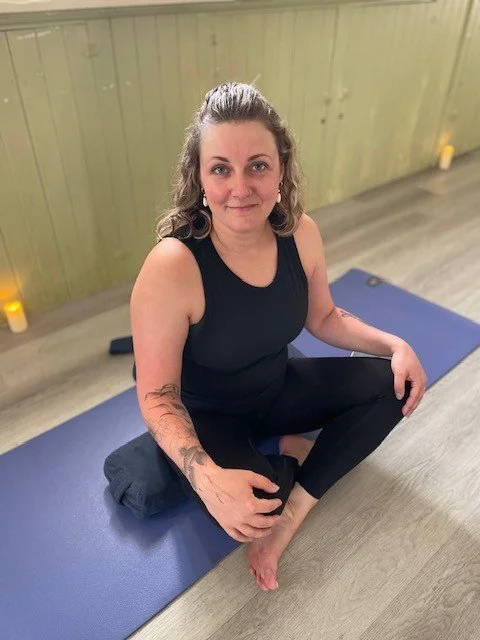
Meet Angie
Welcome! I am so happy you found this space.
My name is Angie and I am born and raised on beautiful Vancouver Island, BC, Canada. I live for slow mornings near the ocean with my husband and a good cup of coffee. I love to hike, kayak, canoe, snowshoe, camp, backpack, beachcomb… pretty much anything that includes being outdoors, ideally for multiple days at a time.
While I love to travel, both internationally and locally, Vancouver Island is truly a nature lovers paradise. We have everything here in our backyard, white sand beaches, old growth forests, waterfalls, caves, remote backcountry hiking experiences, indigenous culture. The Island is a very spiritual place.
My vision for Van Isle Provisions is that it becomes an evolving collection of experiences inspired by life on the island. A way for people to experience Vancouver Island through the lens of a local.
Yoga
My journey with Yoga began when I was 20 years old. It started with Bikram Hot Yoga, I loved the discipline and the perfectionism behind the aesthetic asanas. I have had an intermittent yoga practice since then, taking periods away but inevitably and especially in times of hardship, I would find myself returning to the mat.
I finally made the leap from Student to Teacher in September of 2025. I graduated the 200 Hour YTT program with Ajna Yoga, in beautiful Oak Bay, Victoria, BC.
Ajna taught me so much about what Yoga is and also what yoga is not. I learned that the asanas are just one limb of yoga. I learned to practice without mirrors. Without critiquing my body and expecting perfection.
I had always known that if I ever did my Yoga Teacher Training, I would do it at Ajna Yoga. I love that they teach yoga through a therapeutic and trauma informed lens. They are the only student loan accredited yoga teacher training in Canada, which I thought was pretty cool! I graduated in January 2026, and jumped immediately into teaching, and haven’t looked back! The journey has been a beautiful one and I am grateful to be able to space for you to do the same.
I created this space for people who want to gather in community again. For those who want to feel more grounded in their bodies and less in their heads. For those wanting to transition from thinking to feeling. For people who want yoga to feel calm, financially sustainable and accessible - not intimidating.
I currently offer intro level, gentle, beginner-friendly yoga designed to help you slow down, feel supported and reconnect with your body - without pressure or expectation.